Explore exhibitions on now and coming soon through a chronological journey across the major movements of art history.
Showing 27 exhibitions on now and 12 coming soon in London & the UK.
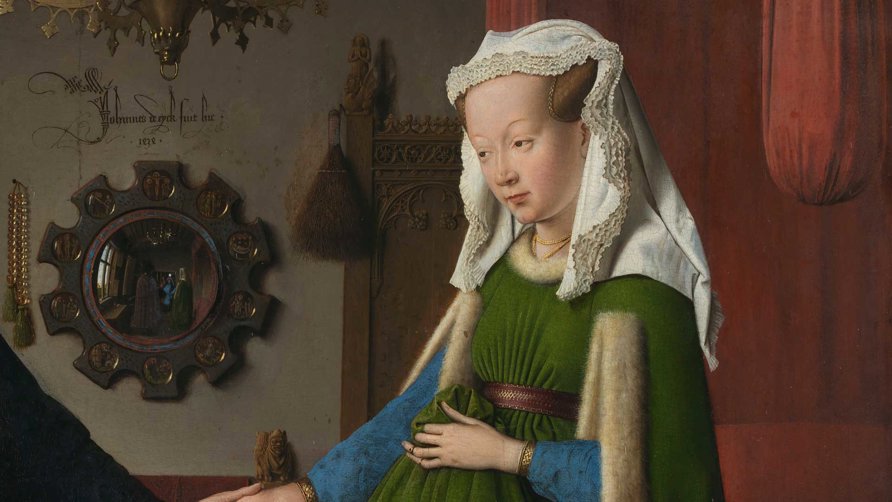
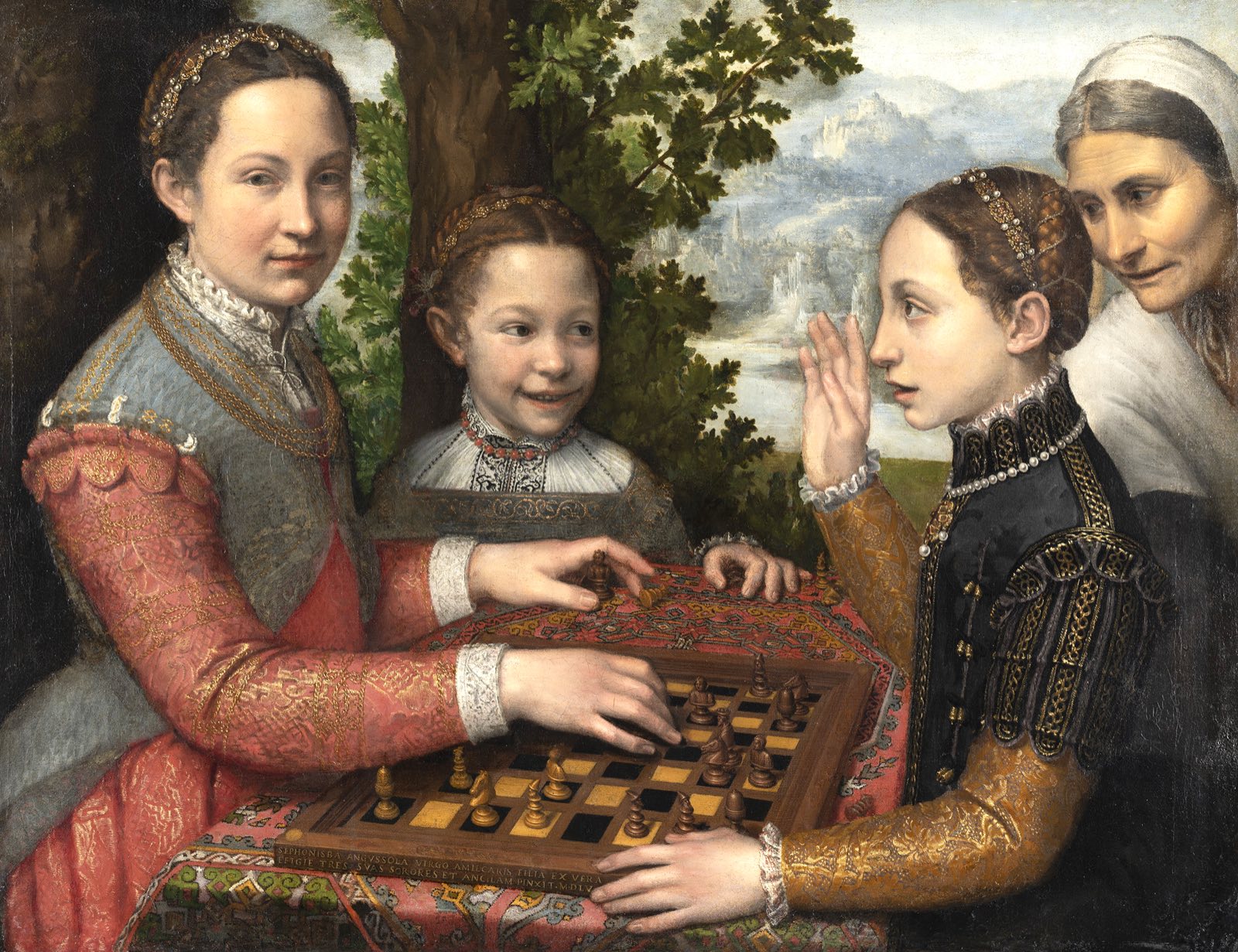
A sweeping cultural reawakening in Europe that placed humankind at the centre of art and thought. Artists studied ancient Greek and Roman works, mastering perspective, anatomy, and the portrayal of emotion. Leonardo, Michelangelo, and Raphael defined an ideal of beauty that would shape Western art for centuries.
No exhibitions on now and 1 coming soon.
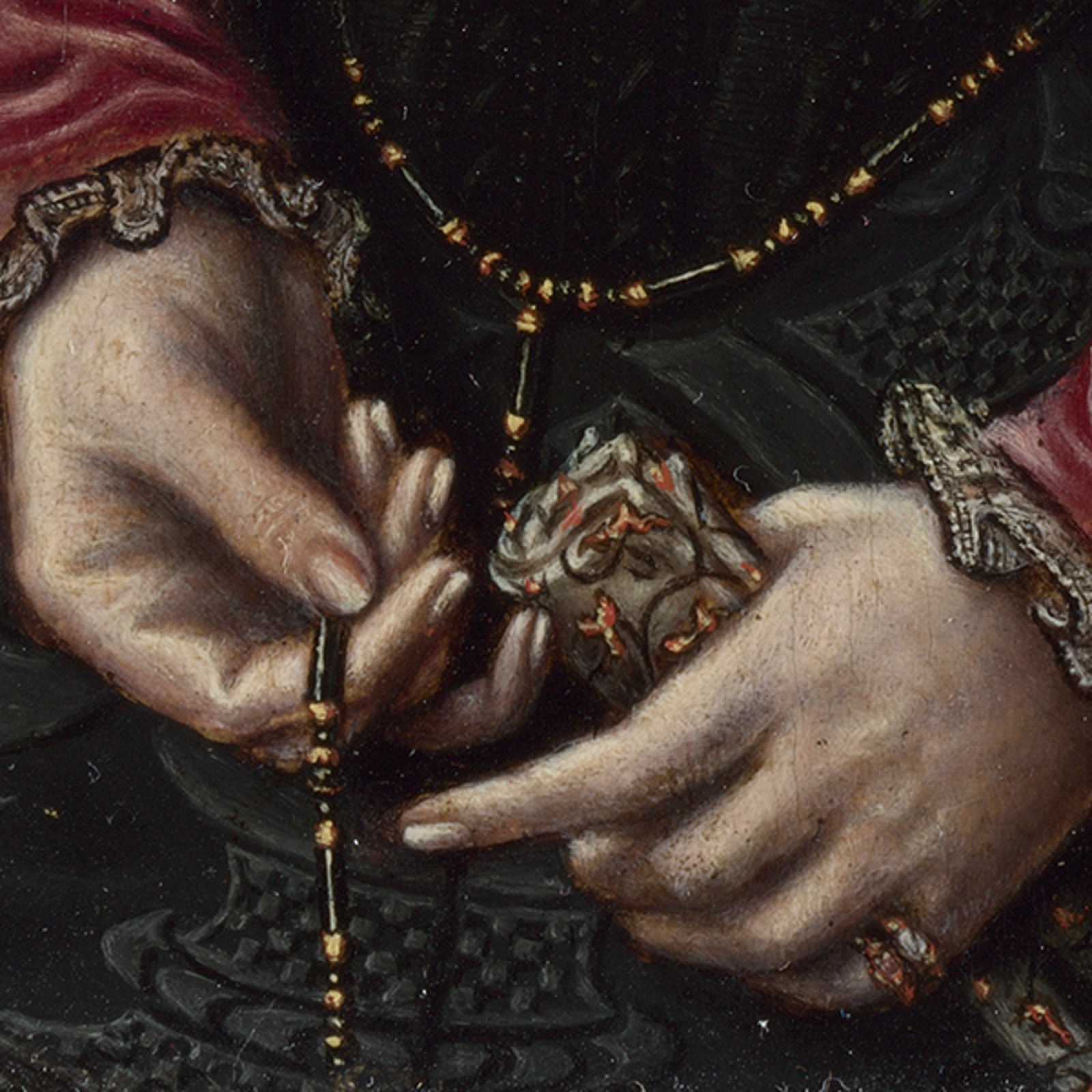
A sophisticated, self-conscious reaction to the harmony of the High Renaissance. Mannerist artists deliberately distorted scale, exaggerated poses, and used unnatural colour to create a sense of tension and intellectual complexity. It flourished in Italy and Spain, reflecting the spiritual crisis of the Reformation era.
No exhibitions on now or coming soon.
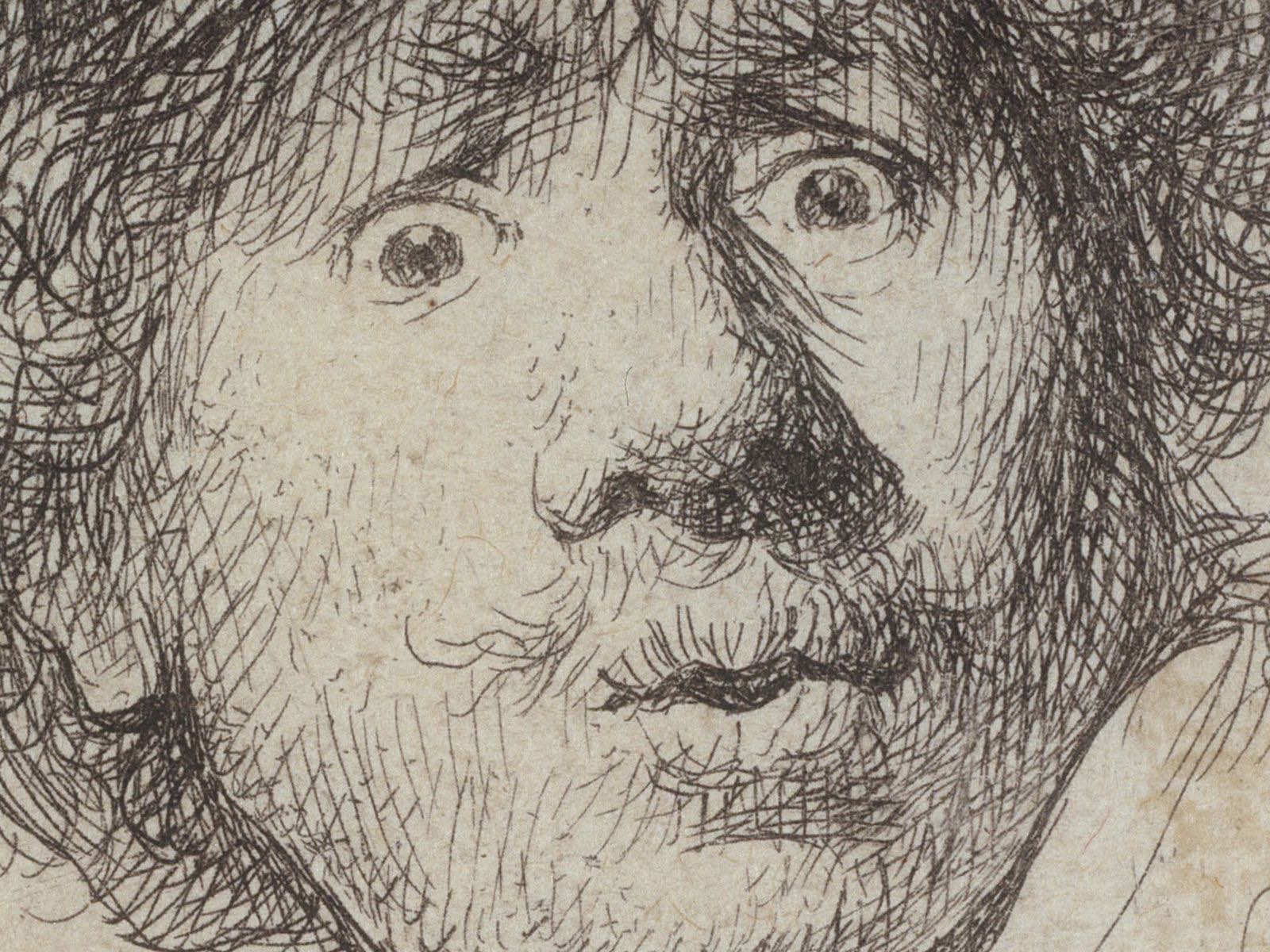
A style of intense drama, movement, and emotional power that swept across Catholic Europe in the 17th century. Artists including Caravaggio, Rubens, Rembrandt, and Vermeer used extreme contrasts of light and dark to draw viewers into scenes of religious fervour and intimate humanity. It was art as theatre, deployed by the Church and monarchies to inspire awe.
1 exhibition on now and 0 coming soon.
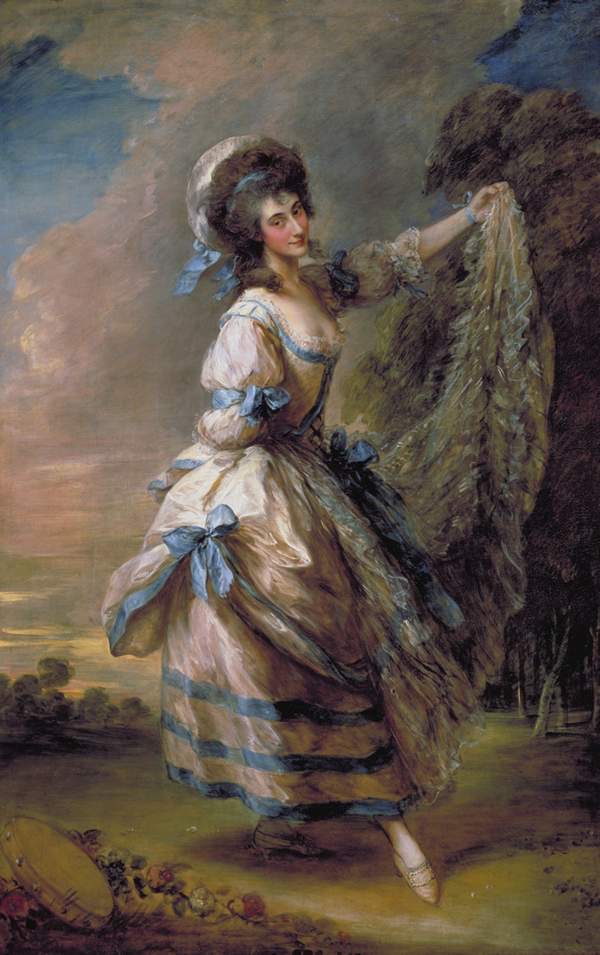
An ornate, playful refinement of the Baroque that flourished in 18th-century French aristocratic society. Watteau, Fragonard, and Boucher filled their canvases with pastel-hued idylls, flirtatious scenes, and decorative excess. Rococo embodied the luxurious, escapist spirit of pre-Revolutionary court life.
No exhibitions on now or coming soon.
A return to the sobriety and civic ideals of ancient Greece and Rome, inspired by the Enlightenment's faith in reason. Painters such as Jacques-Louis David used sharp lines, austere compositions, and heroic subjects to call for moral duty over pleasure. It was the art of the French Revolution and the Napoleonic era.
No exhibitions on now or coming soon.
A passionate revolt against Enlightenment rationalism, celebrating feeling, imagination, and the overwhelming power of nature. Turner, Delacroix, Goya, and Caspar David Friedrich turned to storms, ruins, and exotic subjects to explore the sublime — the beautiful terror of the world. It was art as raw personal vision rather than classical ideal.
1 exhibition on now and 0 coming soon.
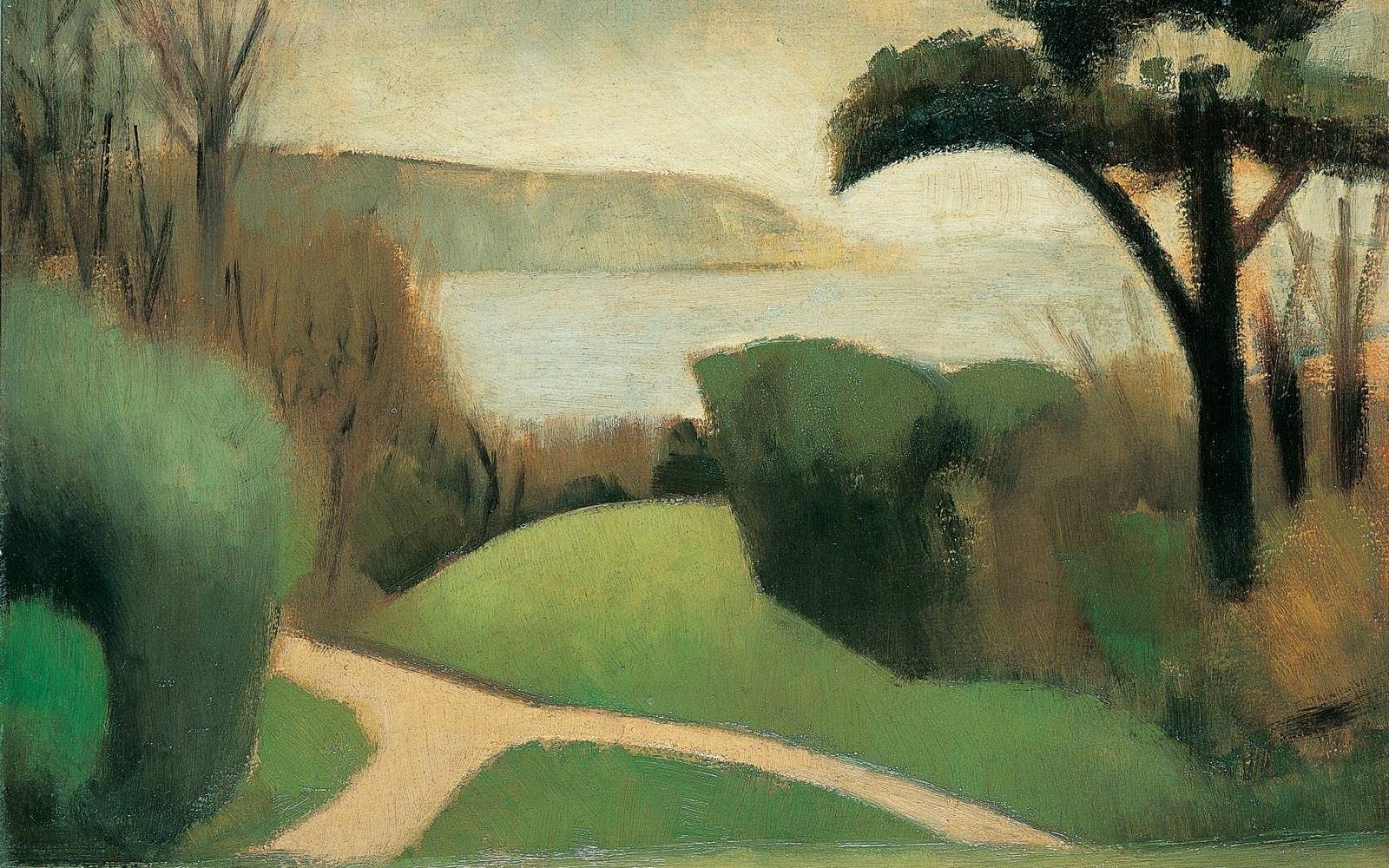
A deliberate turn away from idealism to the unvarnished truth of everyday life. Courbet, Millet, and Daumier painted peasants, workers, and the poor with the same gravity traditionally reserved for gods and kings. In doing so they challenged the social hierarchies embedded in centuries of Western art.
No exhibitions on now or coming soon.
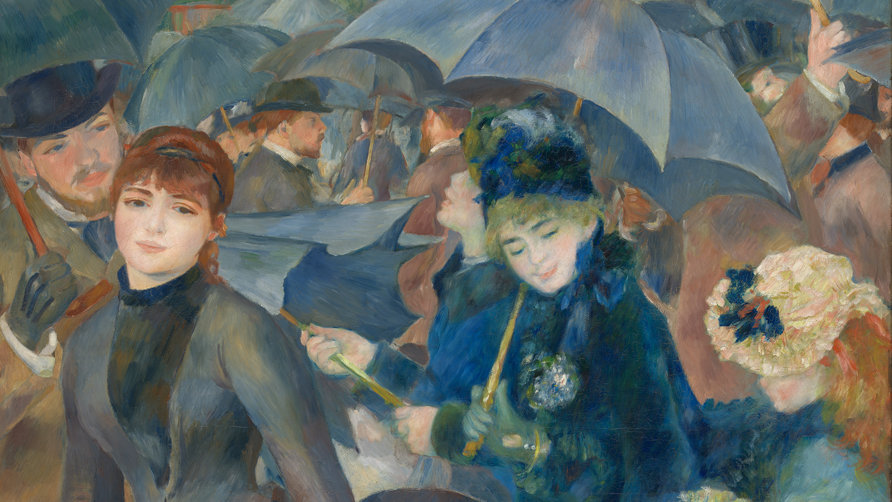
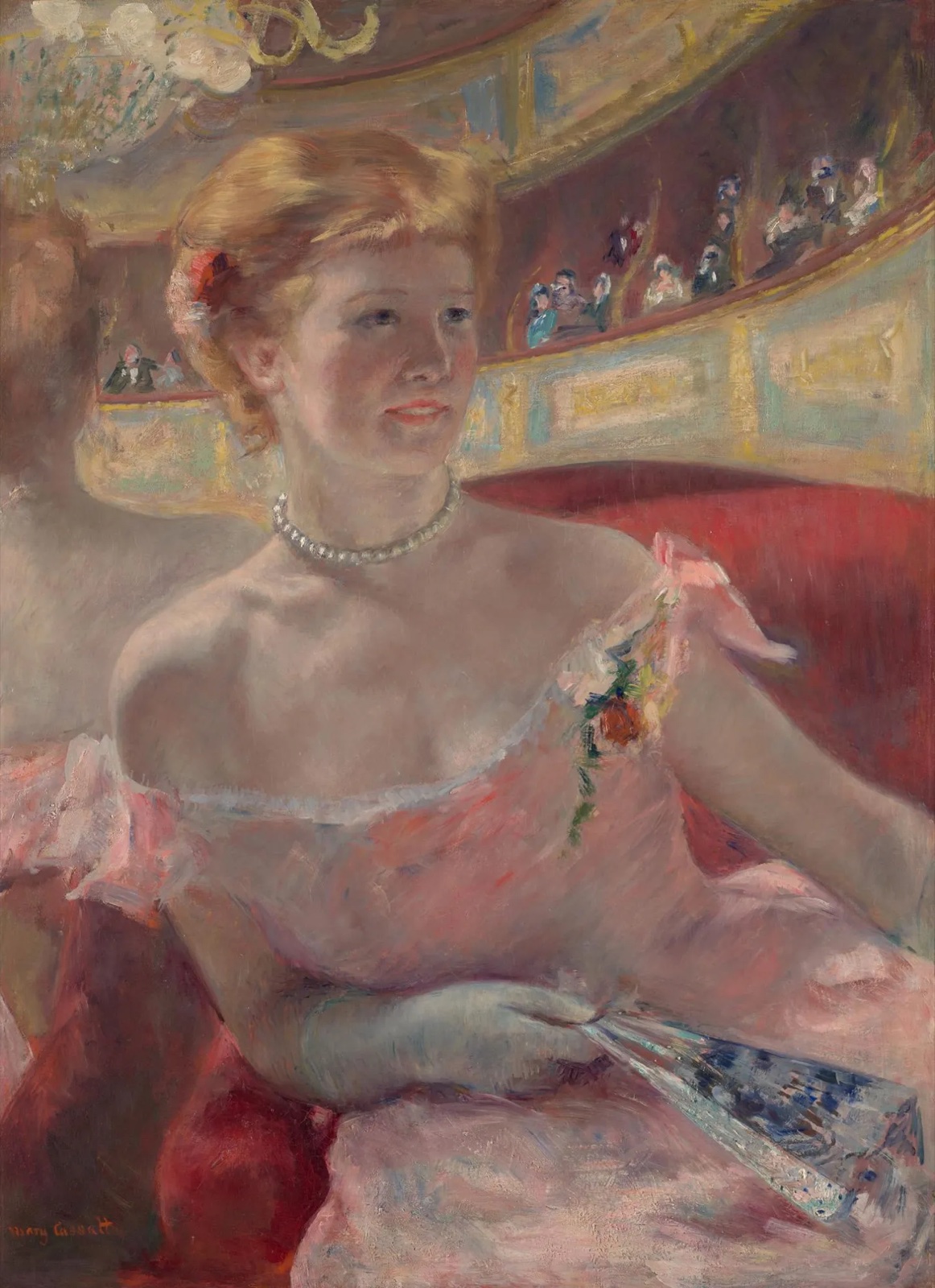
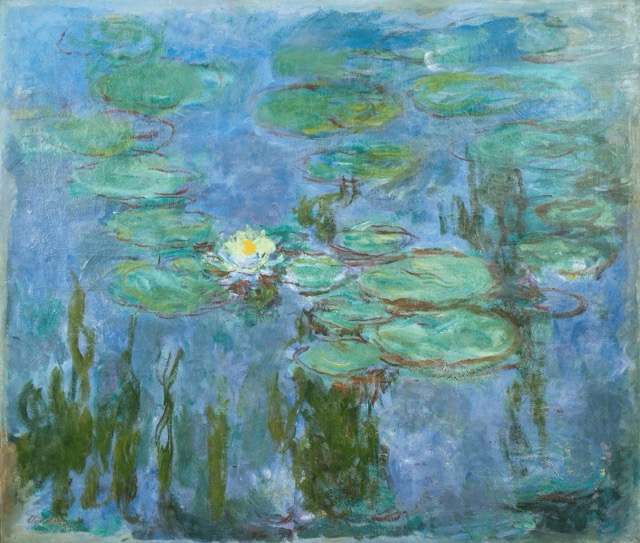
A radical break from the studio tradition, taking painting outdoors to capture the flickering, transient qualities of light and atmosphere. Monet, Renoir, Pissarro, and Degas rejected the smooth finish of academic painting, building images from loose, broken brushstrokes. The name came from a critic's mockery of Monet's Impression, Sunrise — and it stuck.
1 exhibition on now and 1 coming soon.
A total design movement that sought to dissolve the boundary between fine and applied art. Inspired by organic forms — flowing plant stems, curving lines, the sinuous silhouette of the female figure — it transformed architecture, furniture, jewellery, and posters into unified artworks. Mucha, Gaudí, and Klimt each gave it a distinct national inflection.
No exhibitions on now or coming soon.
Not a single movement but a cluster of individual responses to Impressionism, each pushing beyond its limits. Cézanne sought underlying structure, Gauguin fled to colour and symbol, Van Gogh channelled raw emotional energy into furious brushwork, and Seurat reduced everything to dots of pure pigment. They laid the groundwork for virtually every modern art movement that followed.
1 exhibition on now and 1 coming soon.
The first truly modern movement, in which colour was liberated from description and used purely as emotional force. Matisse, Derain, and Vlaminck painted with unmixed pigments straight from the tube, creating landscapes and figures that shocked the Paris Salon. A critic called them fauves — wild beasts — and the name stuck.
No exhibitions on now or coming soon.
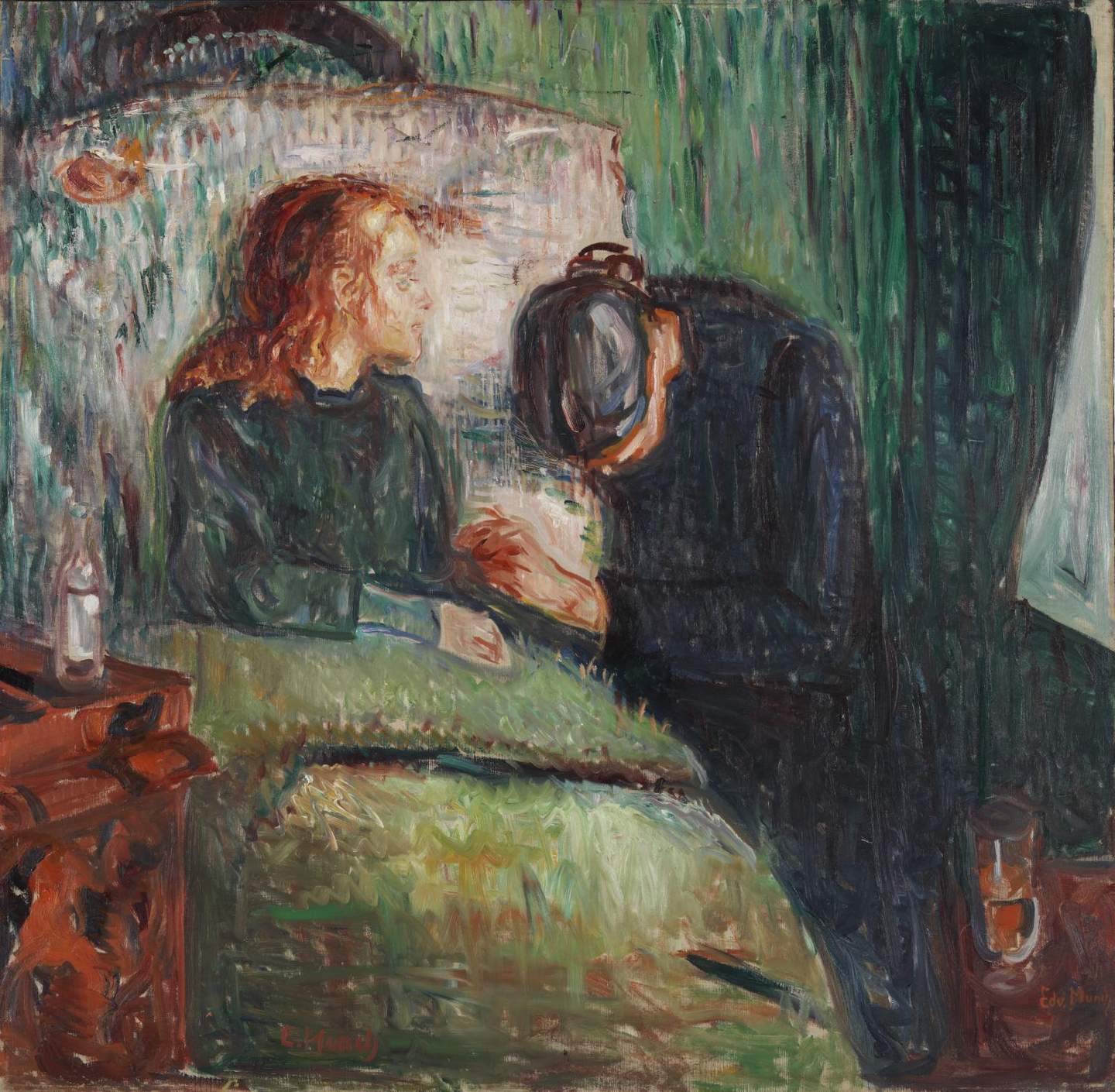
An art of inner states rather than outward appearances, distorting the visible world to convey psychological anguish, ecstasy, or dread. The German groups Die Brücke and Der Blaue Reiter, alongside Norwegian pioneer Munch, created jagged, colour-saturated images that mirrored a fractured modern consciousness. It found its most urgent expression in response to the trauma of the First World War.
No exhibitions on now and 1 coming soon.
Picasso and Braque shattered the single viewpoint that had governed Western painting since the Renaissance, depicting objects simultaneously from multiple angles. The fragmented, geometric planes of Cubism rejected the illusion of three-dimensional space in favour of a new pictorial logic. It was the most radical visual revolution of the 20th century and the foundation of modern abstraction.
No exhibitions on now or coming soon.
Born in wartime Zurich as a deliberate assault on reason, art, and bourgeois values. Duchamp declared that a urinal was art; Hannah Höch cut up newspapers into surreal photomontages; Tzara wrote poetry by pulling words from a hat. Dada asked whether art had any meaning in a world that had just produced industrialised slaughter — and refused to answer.
No exhibitions on now or coming soon.
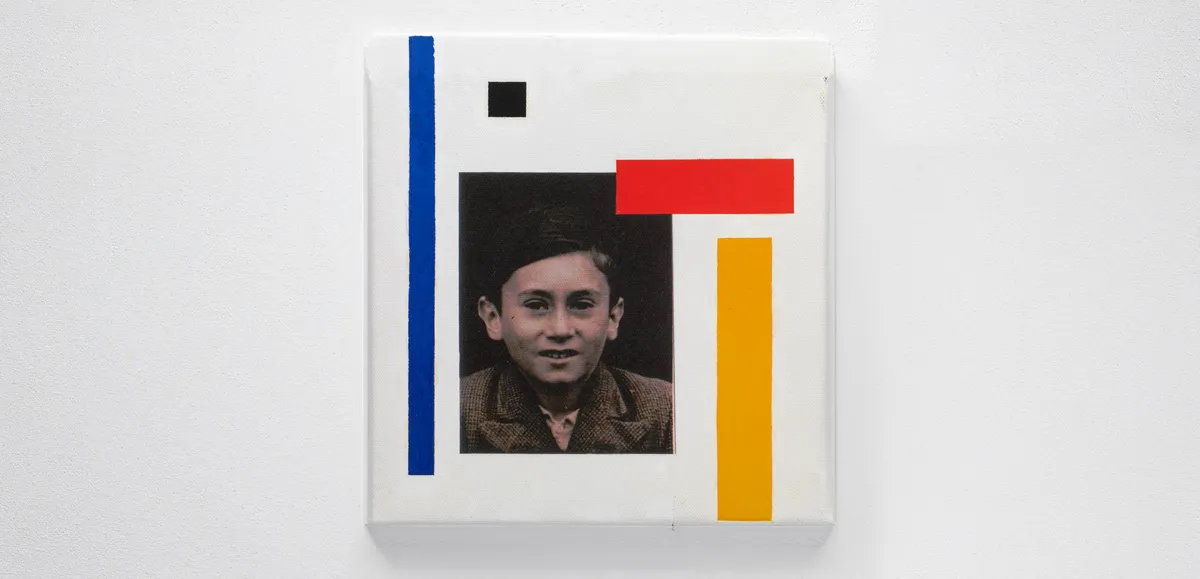
A Dutch movement seeking to reduce art to its irreducible elements: the straight line, the right angle, and the three primary colours plus black, white, and grey. Mondrian, van Doesburg, and Rietveld believed that pure abstraction could express a universal harmony beyond individual expression. Their influence on graphic design, architecture, and typography continues to this day.
No exhibitions on now or coming soon.
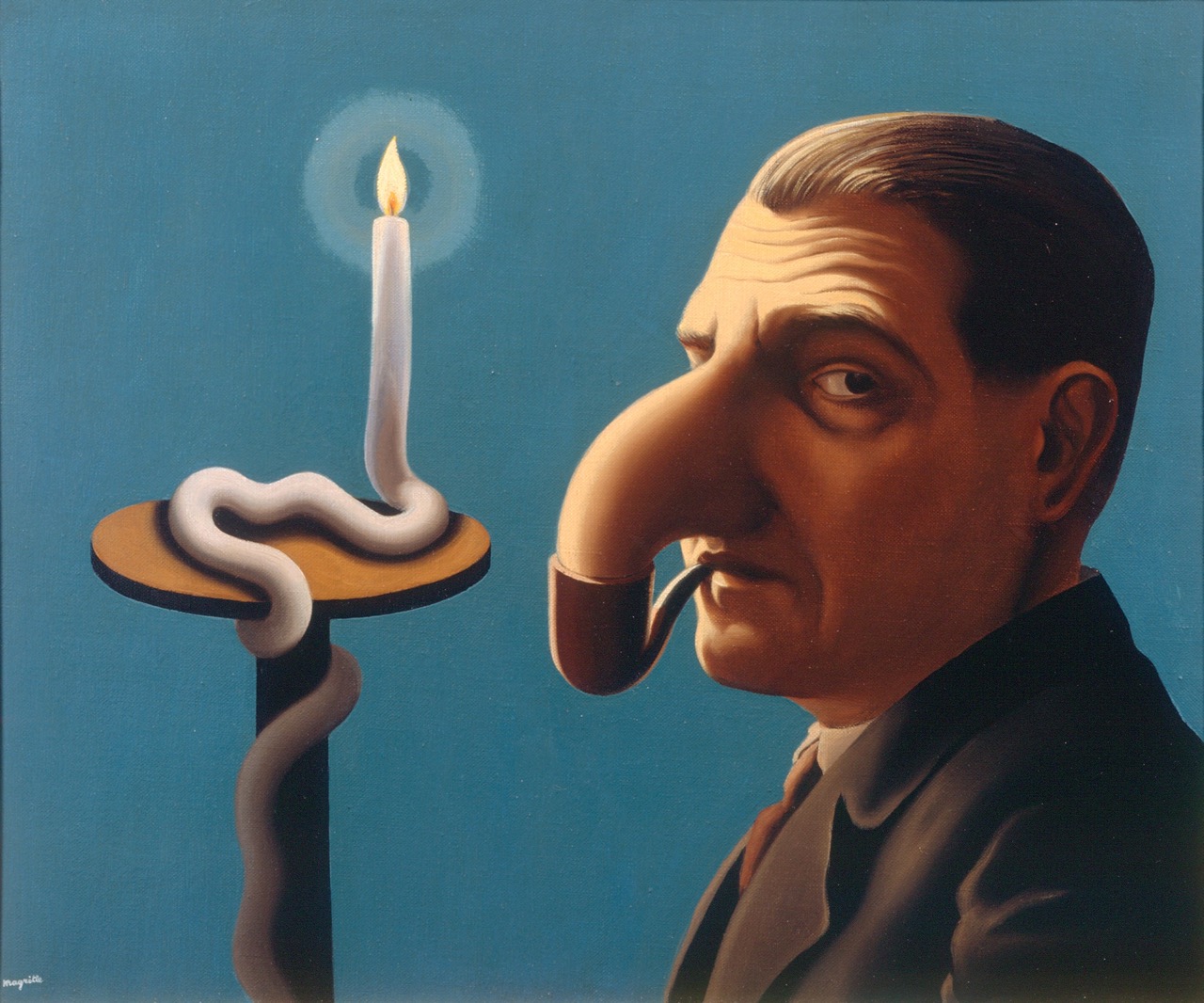
André Breton's movement harnessed Freud's theories of the unconscious to create art that bypassed rational thought. Dalí painted burning giraffes and melting clocks; Magritte placed a pipe under the words "this is not a pipe"; Ernst made images from chance and collage. Surrealism sought to reunite the waking world with the logic of dreams.
No exhibitions on now or coming soon.
The first American art movement to achieve global influence, centred on New York in the years after the Second World War. Pollock poured and dripped paint directly onto canvas; Rothko dissolved colour into luminous, hovering fields; de Kooning attacked the figure with violent brushwork. The scale was monumental, the gesture raw, the ambition existential.
2 exhibitions on now and 1 coming soon.
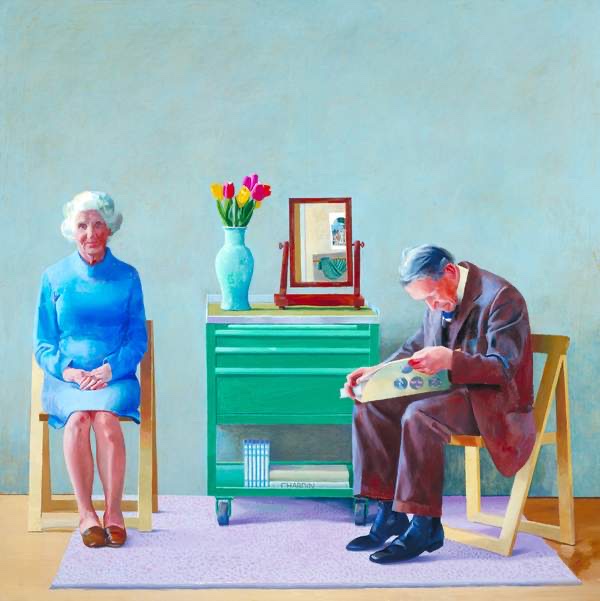
A raucous embrace of consumerism, celebrity, and mass media as raw material for high art. Warhol silk-screened soup cans and Marilyn Monroe; Lichtenstein magnified comic-strip dots; Hockney painted the swimming pools of sunny California. Pop dissolved the boundary between art and commercial culture — and asked whether the distinction had ever really existed.
1 exhibition on now and 0 coming soon.
A reaction against the emotional excess of Abstract Expressionism, stripping art to pure, industrially fabricated geometric forms. Donald Judd's stacks of metal boxes, Carl Andre's floor bricks, and Dan Flavin's fluorescent light arrangements refused metaphor, narrative, or expression. The work simply was what it was, in the space it occupied.
1 exhibition on now and 0 coming soon.
A movement in which abstract geometric patterns were engineered to create powerful visual effects — the illusion of movement, vibration, warping, and depth in flat works. Vasarely, Riley, and Albers exploited the perceptual limits of the human eye to produce work that seemed to pulse or shimmer. Op Art declared that sensation itself could be the subject of a painting.
No exhibitions on now and 1 coming soon.
The idea is the work. Sol LeWitt declared that the execution of an artwork is merely its administration; Joseph Kosuth placed a chair alongside a photograph and a dictionary definition to ask what art actually is. Conceptualism liberated art from material, authorship, and the commodity market — and continues to define the terms of contemporary practice.
1 exhibition on now and 2 coming soon.
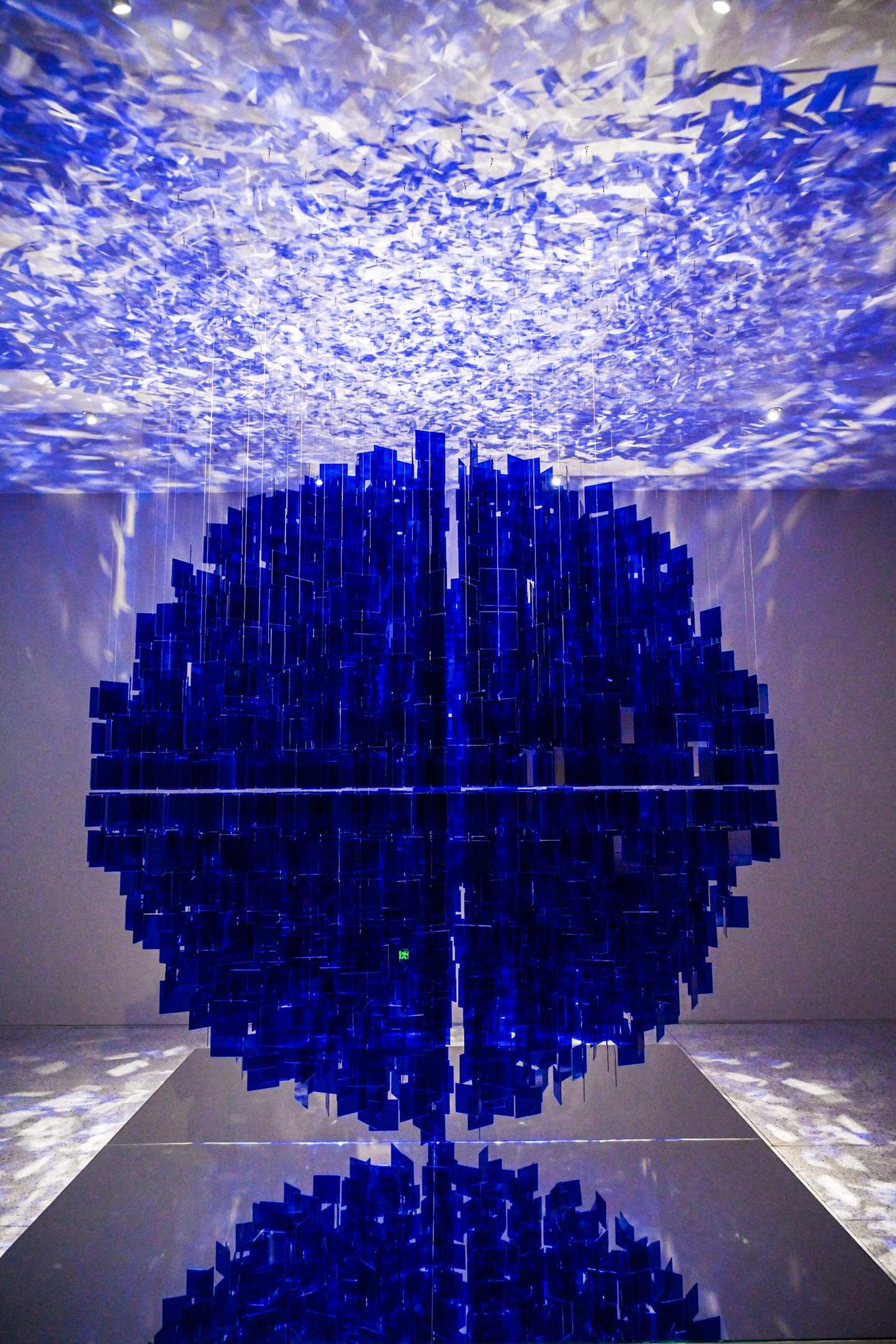
Not a style but a condition: the pluralist, globally dispersed world of art after the end of ideological modernism. It encompasses painting, performance, video, installation, social practice, and digital media, often engaging directly with politics, identity, ecology, and technology. To be contemporary is to be unresolved — still in the process of becoming.
18 exhibitions on now and 4 coming soon.

Frith Street Gallery
Until Jun 25

Lisson Gallery Bell Street
Until Jul 25

Victoria Miro London
Until Jul 31

Victoria Miro London
Until Jul 31

David Zwirner London
Until Jul 31

Thaddaeus Ropac London
Until Jul 31

Thaddaeus Ropac London
Until Jul 31

Lisson Gallery London
Until Aug 22

Tate Britain
Until Aug 23

Serpentine North Gallery
Until Aug 23

Tate Modern
Until Aug 31

Serpentine South Gallery
Until Sep 6

Sadie Coles HQ Savile Row
Until Sep 12

Sadie Coles HQ Savile Row
Until Sep 12

Henry Moore Studios & Gardens
Until Oct 25

Ashmolean Museum
Until Nov 1

Goodwood Art Foundation
Until Nov 1

National Museum Cardiff
Until Apr 4, 2027

Sadie Coles HQ Kingly Street
Starting Jun 12

Sadie Coles HQ Bury Street
Starting Jun 9

Hayward Gallery
Starting Jun 16
Tate Modern
Starting Jun 25