© artclub
British · 1898–1986
The defining figure in British sculpture of the 20th century, Moore developed an abstract language of reclining figures, mother-and-child groups, and organic forms that populated public spaces across Britain, Europe, and North America. Born in Yorkshire in 1898, his work absorbed primitive sculpture and natural forms into a distinctly modern idiom.
Official website →© artclub
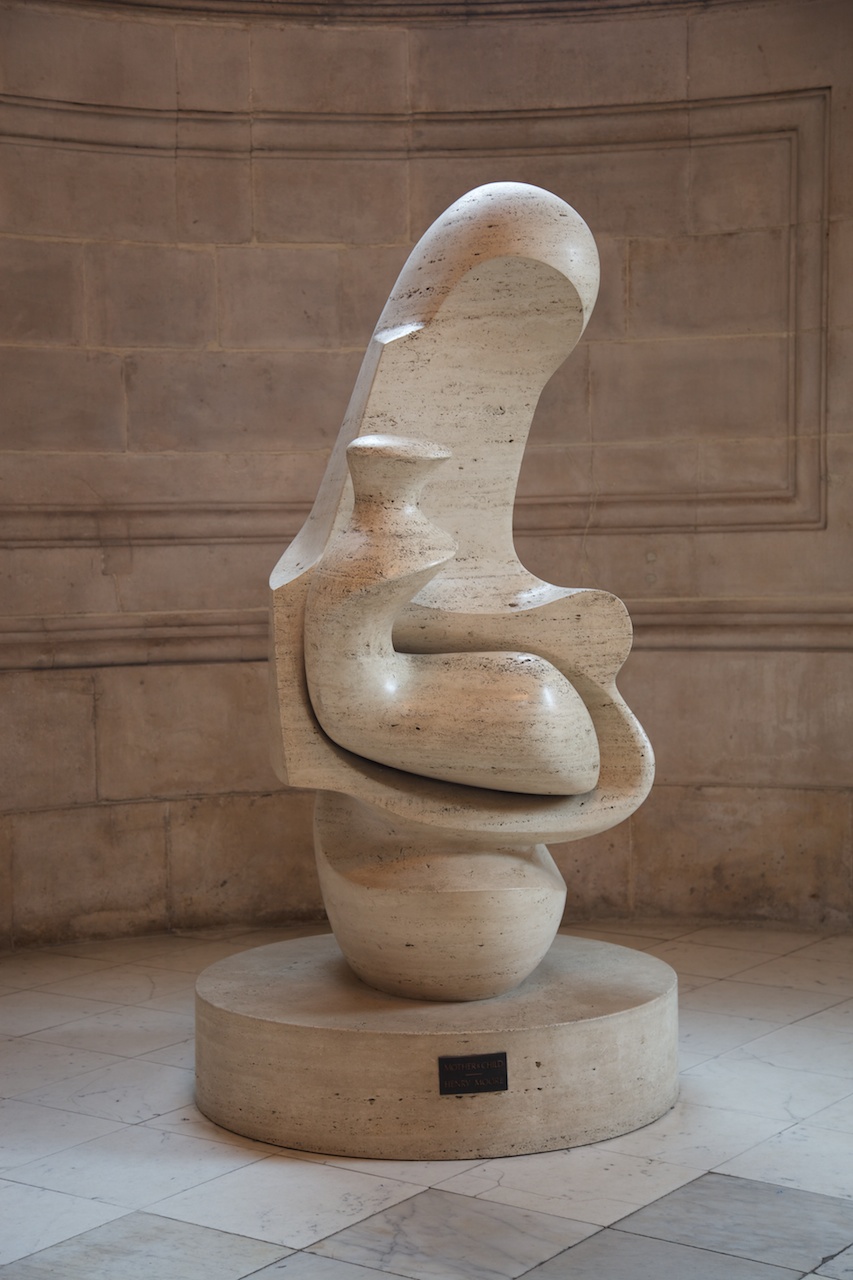
Photo: James O'Gorman / CC BY-SA 2.0
1983 · St Paul's Cathedral, London
A tender marble group of mother and child, housed within St Paul's Cathedral. One of Moore's last major works, reflecting the warmth and quiet monumentality that defined his late style.
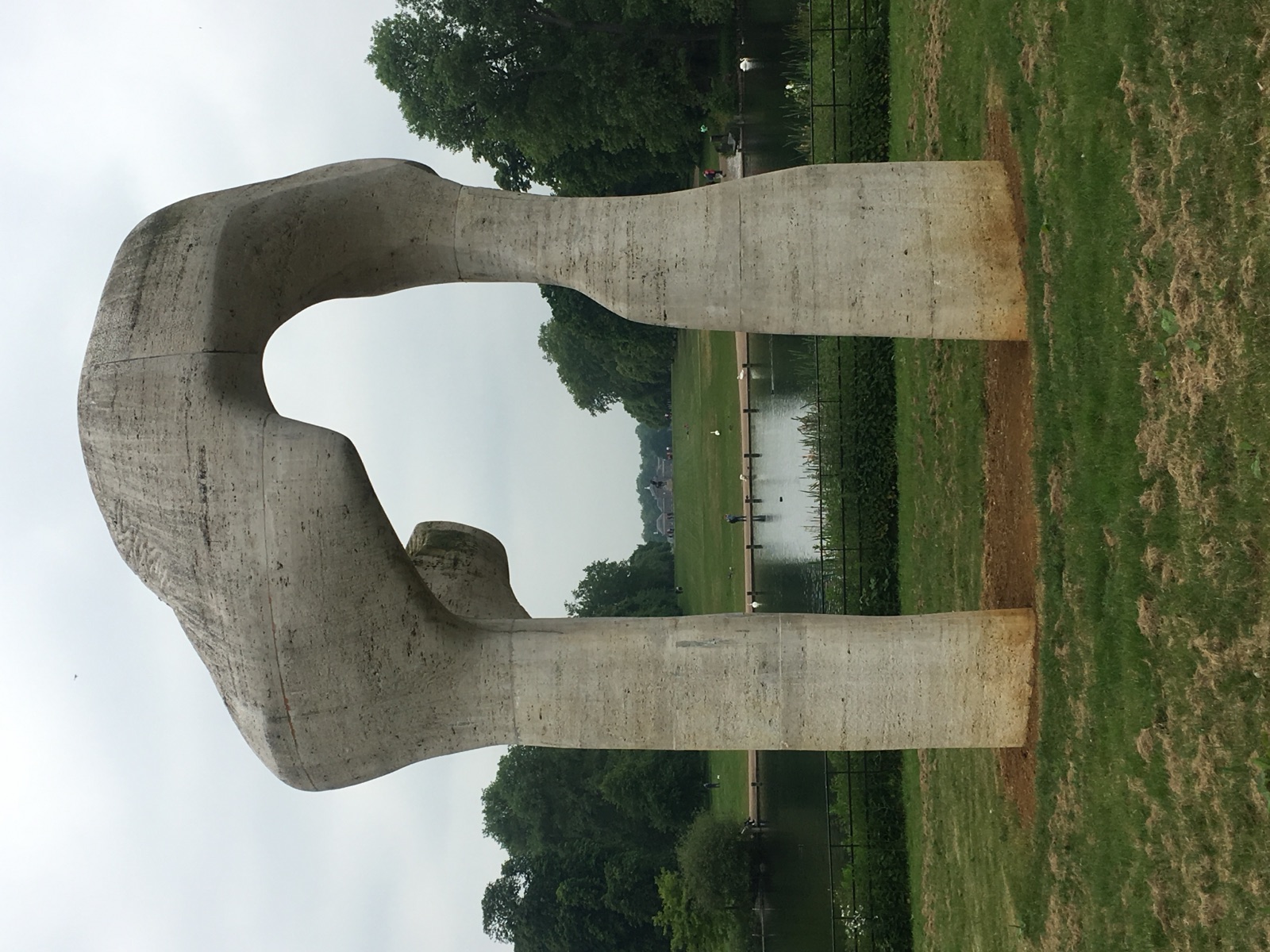
Photo: No Swan So Fine / CC BY-SA 4.0
1980 · Kensington Gardens, London
A monumental abstract arch carved from Roman travertine stone, gifted to Kensington Gardens by Moore in 1980. The work frames views across the park and reflects his lifelong interest in landscape and the abstracted human form.
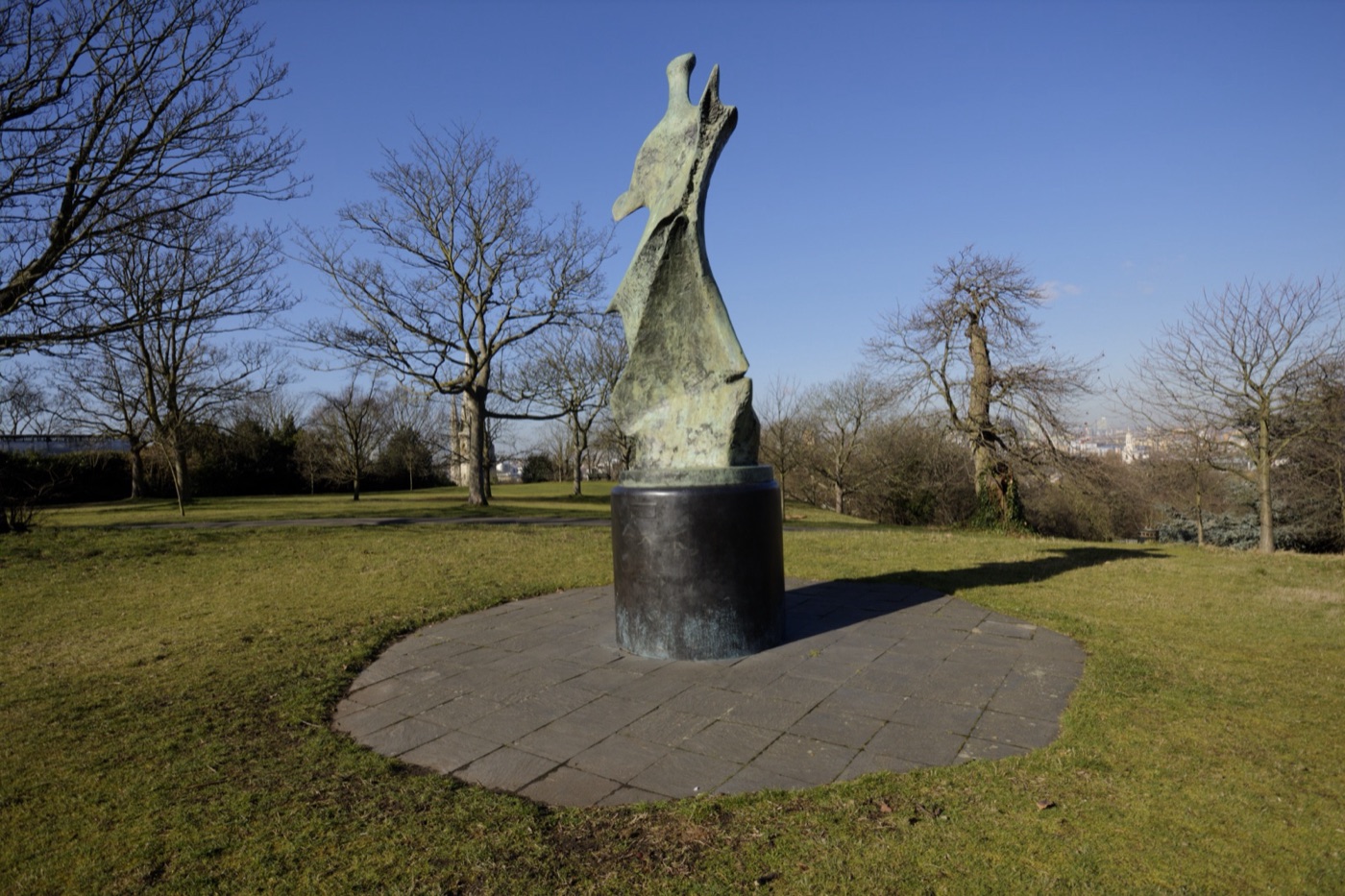
Photo: Prioryman / CC BY-SA 4.0
1979 · Greenwich Park, London
A tall, attenuated bronze figure with blade-like protrusions stands in Greenwich Park. The narrow silhouette creates dramatically shifting profiles as the viewer moves around it.
© artclub
© artclub
© artclub
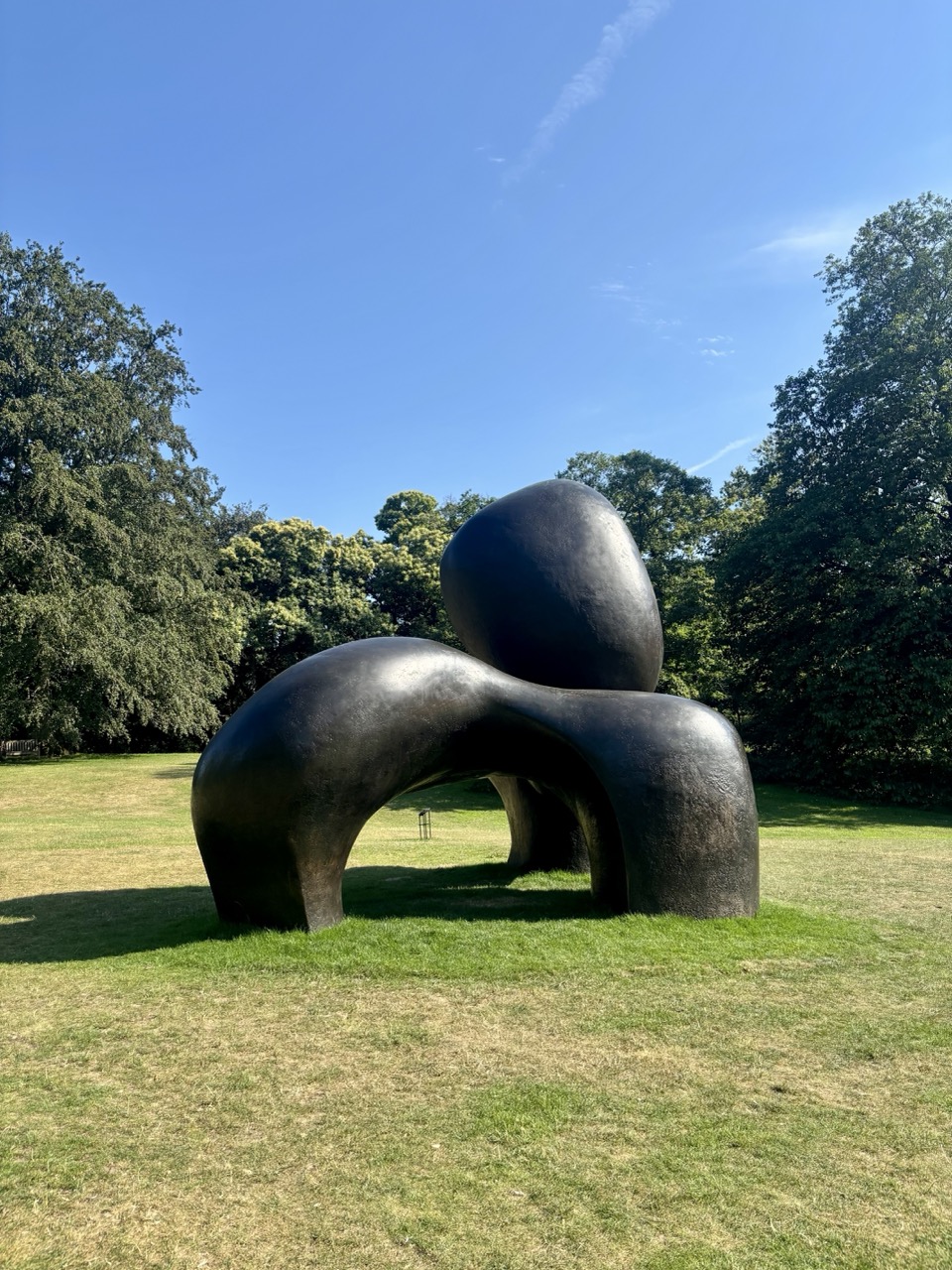
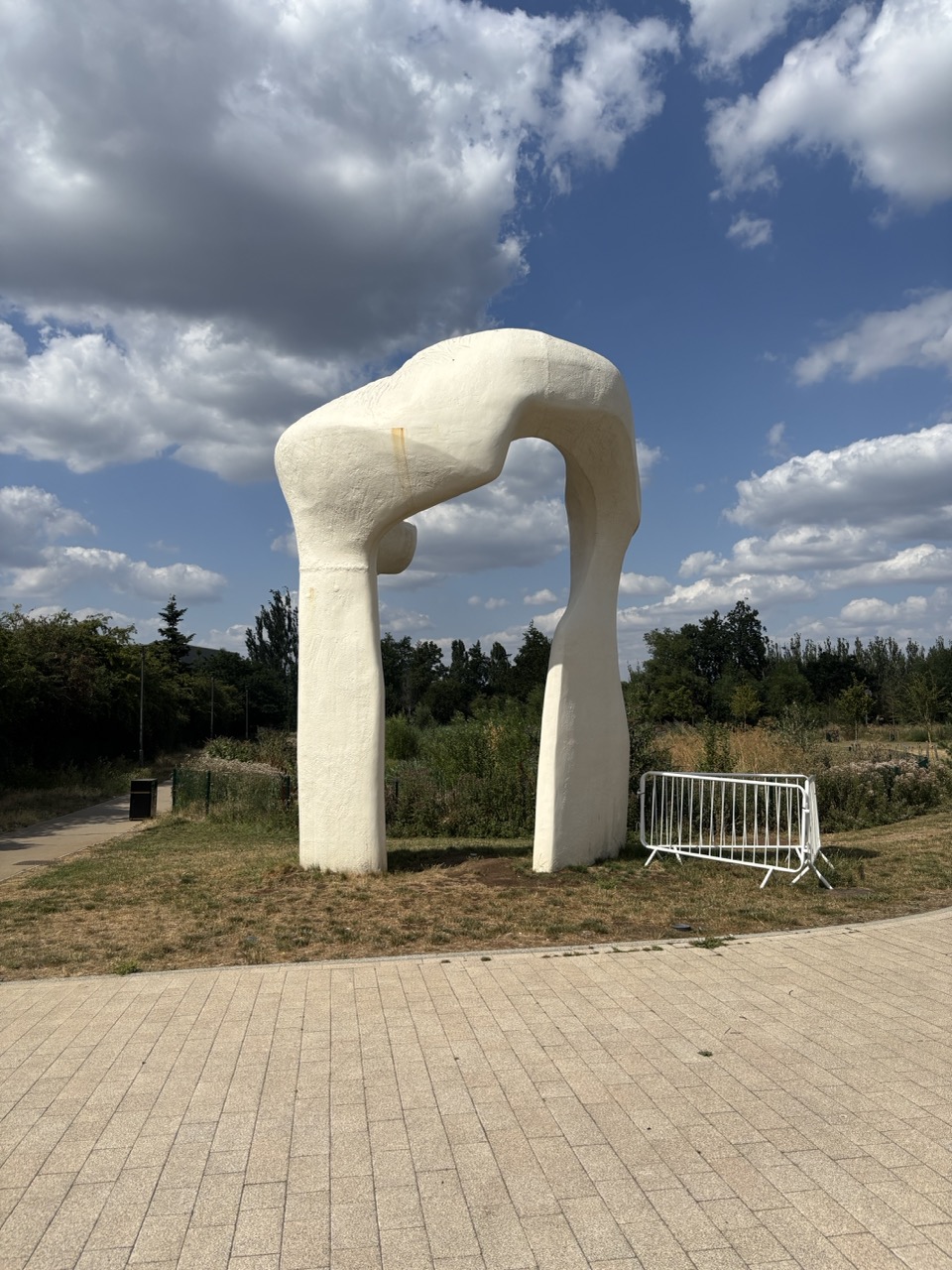
1971 · Fellowship Square, Walthamstow, London
A 6-metre fibreglass cast of Moore's iconic arch, first made in 1971 for his Forte di Belvedere exhibition in Florence. Installed in 2024 on long-term loan at the entrance to the Queen Elizabeth II Memorial Garden in Walthamstow.
© artclub
Until Jan 31, 2027
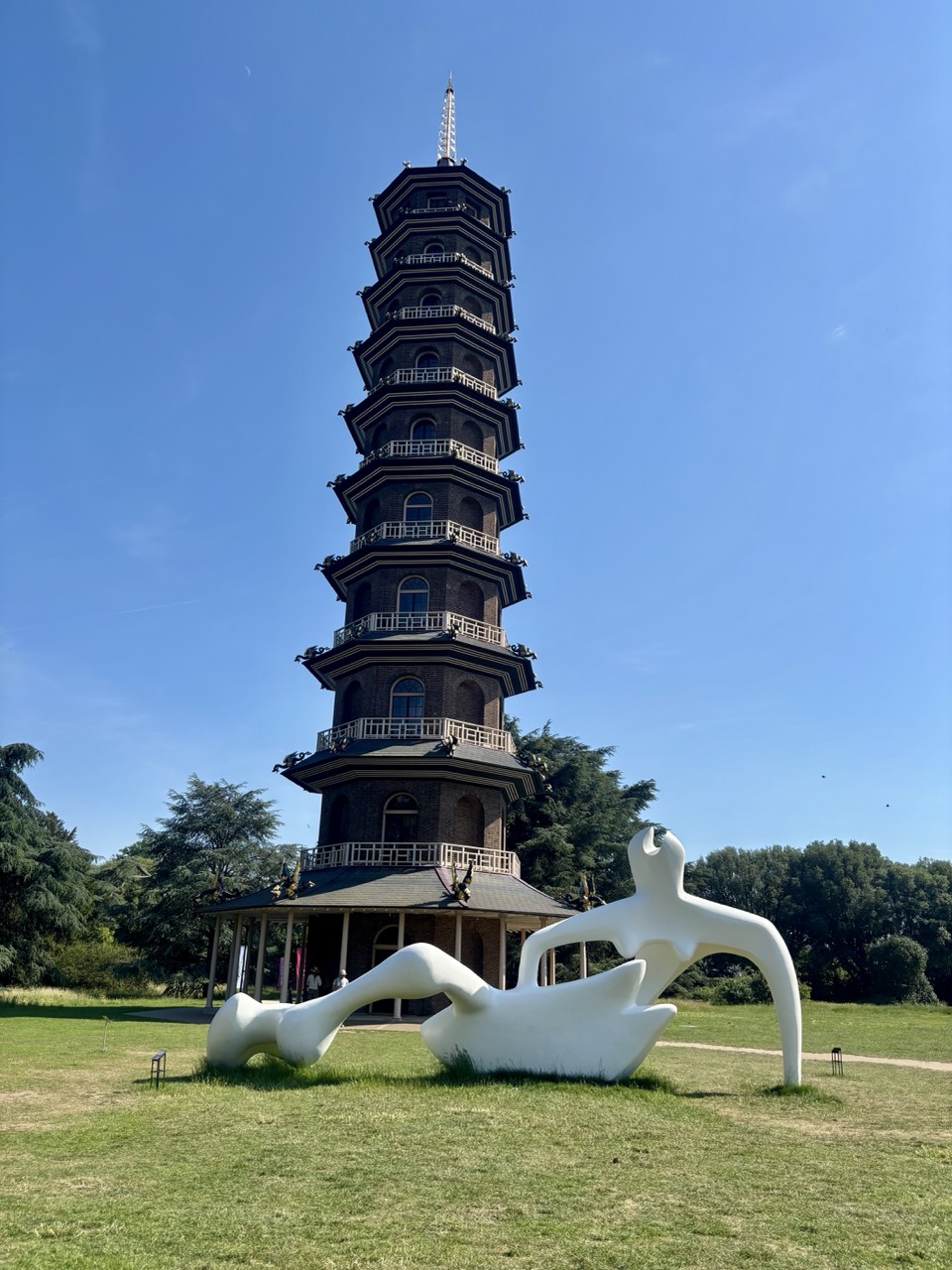
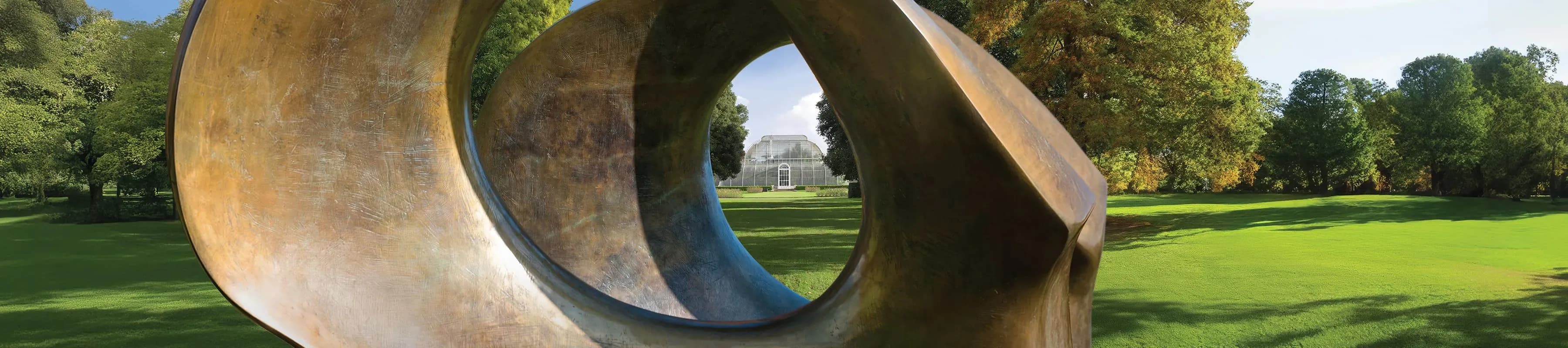
30 monumental sculptures by Moore spanning his 70-year career
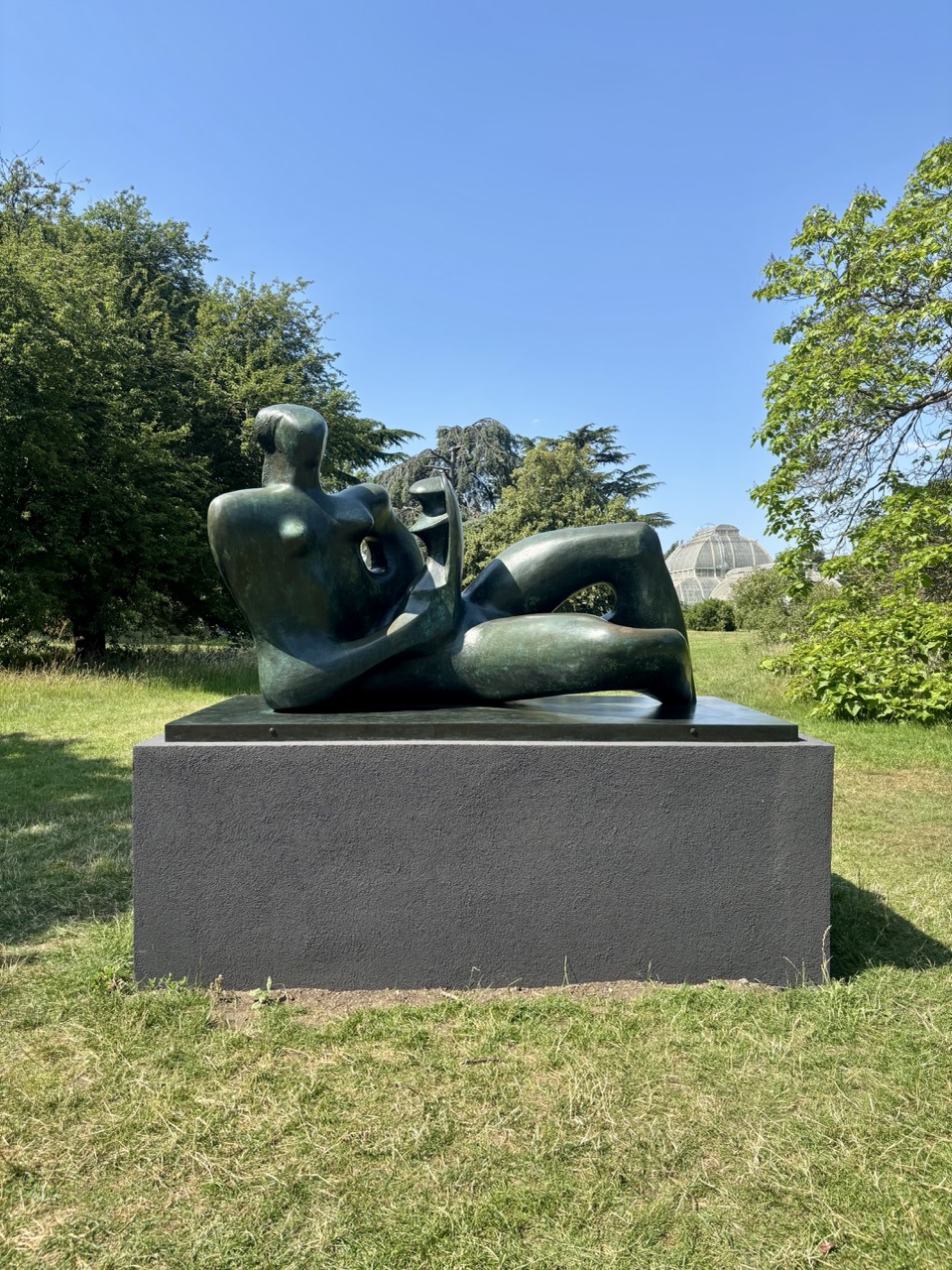
"In parts of the show, Moore's love of natural forms seems to run counter to the Victorian splendour of Kew. One of his bone-like pieces, Three Piece Sculpture: Vertebrae (1968-69), sits in front of the Palm House. Moore's irregular, undulating tripartite form seems to echo – or mock – the pane-glass and wrought-iron symmetry of the older building."
 Ends in 13 days
Until Oct 25
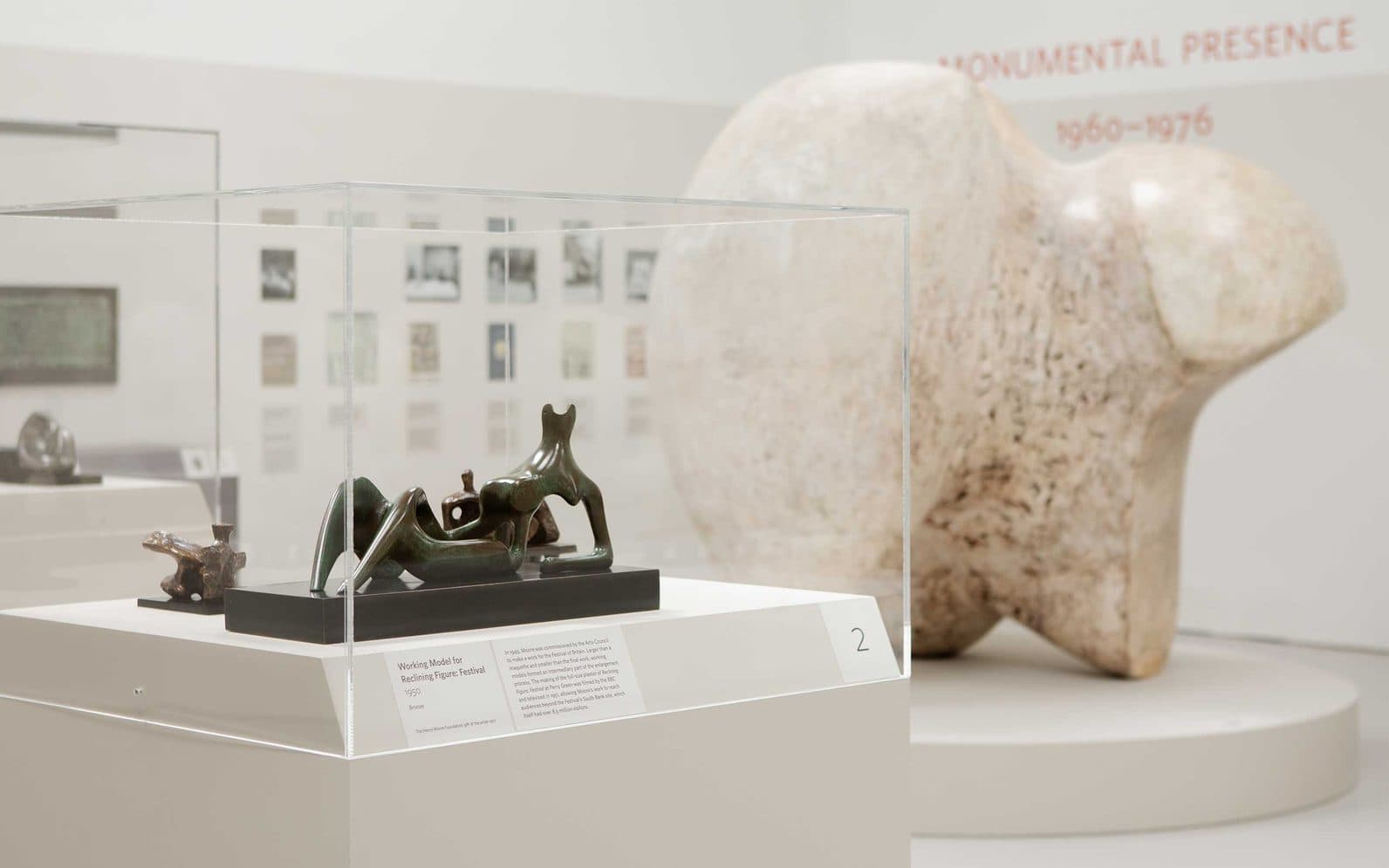
Retrospective tracing Moore's evolution across 80+ sculptures and maquettes
 Ends in 13 days
Until Oct 25
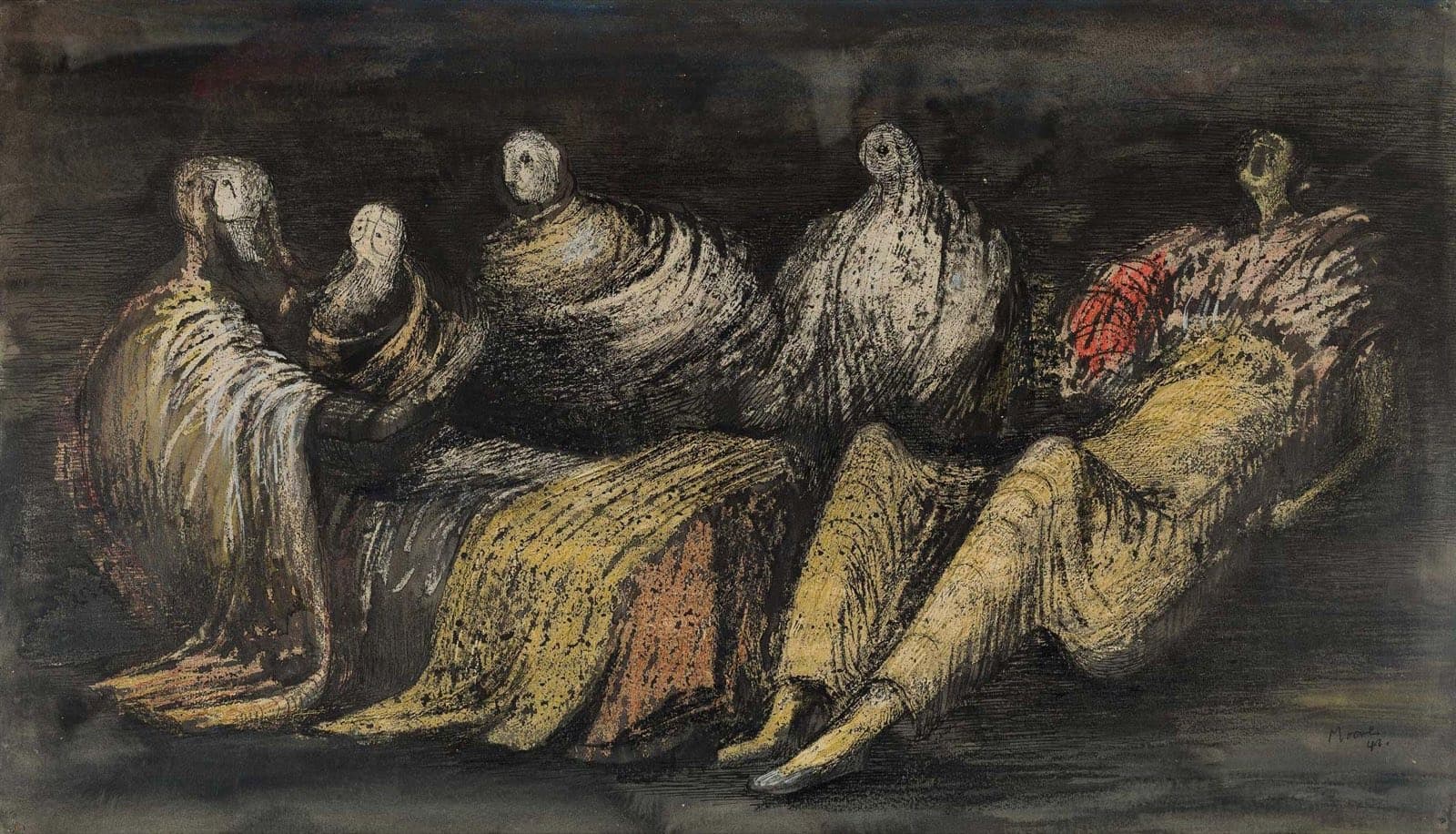
Thirty rarely seen drawings of Londoners sheltering from the Blitz.